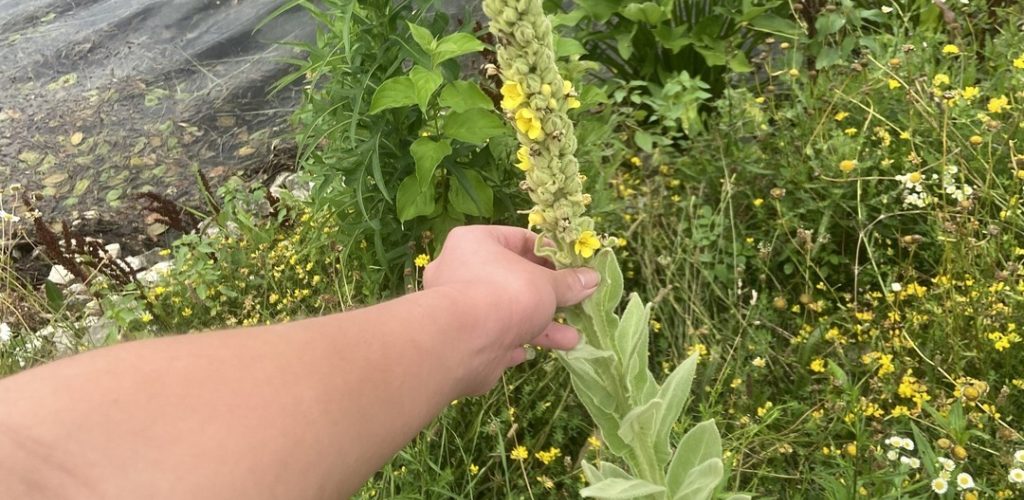
That’s a very intriguing statement! To understand what plant you might be referring to, it’s helpful to consider plants that are:
- Commonly overlooked: Often, “gold” in this sense refers to something valuable that’s right under our noses.
- Have multiple uses: These plants tend to have culinary, medicinal, or other practical applications.
- Grow widely: The implication is that many people could encounter it.
Based on these criteria, here are a few possibilities:
- Dandelion (Taraxacum officinale):
- This is a classic example of an overlooked “weed” with numerous benefits.
- The leaves are edible and nutritious, the roots can be roasted for a coffee substitute, and the flowers can be used to make wine or tea.
- It has also been used in traditional medicine.
- Purslane (Portulaca oleracea):
- This succulent is often considered a weed, but it’s a nutritional powerhouse.
- It’s rich in omega-3 fatty acids, vitamins, and minerals.
- It can be eaten raw in salads or cooked like spinach.
- Nettle (Urtica dioica):
- While it stings, nettle is a very valuable plant.
- It’s rich in vitamins and minerals and has been used in traditional medicine for various ailments.
- It can be cooked like spinach or used to make tea.
- Chickweed (Stellaria media):
- This plant is edible, and has medicinal properties.
- It can be eaten raw, or cooked.
Why These Plants Are “Gold”:
- Nutritional Value: They provide essential vitamins and minerals.
- Medicinal Properties: They have been used in traditional medicine for centuries.
- Culinary Uses: They can be incorporated into various dishes.
- Accessibility: They grow widely and are often readily available.
It’s important to remember:
- Proper identification is crucial before consuming any wild plant.
- Be mindful of where you gather plants to avoid contamination.
So, the next time you see one of these “weeds,” you might just be sitting on a hidden treasure!