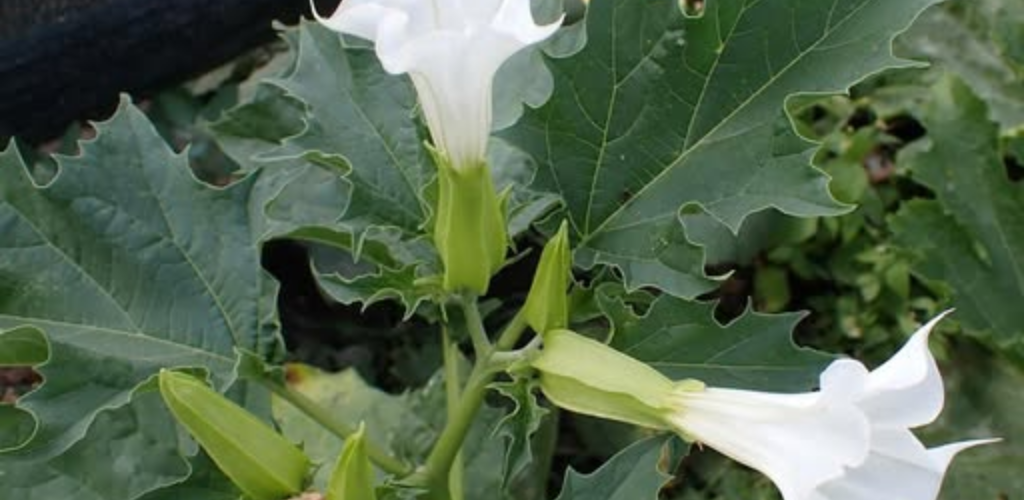
It’s impossible to say definitively which plant you’re referring to without more information. However, there are several common garden plants that are poisonous to humans or animals if ingested or even touched.
To help me identify the plant you’re thinking of, could you describe it? Consider these features:
- Leaves: What shape and size are they? How are they arranged on the stem?
- Flowers: What color, shape, and size are the flowers? When does it bloom?
- Berries or Seeds: Does it produce any berries or seeds? What color and size are they?
- Overall Shape and Size of the Plant: Is it a vine, a shrub, a tree, or a groundcover? How tall does it get?
- Where in your yard does it grow? (e.g., sunny spot, shady area, near a fence)
In the meantime, here are some common garden plants that are known to be dangerous:
- Oleander (Nerium oleander): All parts of this common shrub are highly toxic if ingested, affecting the heart and digestive system.
- Lily of the Valley (Convallaria majalis): This fragrant spring flower contains cardiac glycosides and can cause vomiting, dizziness, and heart problems if eaten.
- Deadly Nightshade (Atropa belladonna): As the name suggests, this plant is highly poisonous, especially its attractive berries, which can cause hallucinations, confusion, and even death.
- Castor Bean (Ricinus communis): The seeds of this plant contain ricin, a potent toxin. Even a few seeds can be fatal if chewed and swallowed.
- Poison Hemlock (Conium maculatum): This plant, related to carrots and parsley, is extremely toxic and can cause respiratory failure and death if ingested.
- Rhubarb (Rheum rhabarbarum): While the stalks are edible, the leaves contain high levels of oxalic acid and are poisonous if consumed.
- Foxglove (Digitalis purpurea): These beautiful flowers contain cardiac glycosides and can cause heart problems if ingested.
For residents of Ukraine, some additional plants to be aware of include:
- Sosnowsky’s Hogweed (Heracleum sosnowskyi): Contact with its sap, especially in sunlight, can cause severe burns and skin irritation.
- Common Wolfsbane (Daphne mezereum): All parts of this shrub, especially the berries, are highly poisonous.
- Raven’s Eye (Paris quadrifolia): The berries, leaves, and roots of this plant are toxic.
If you suspect a plant in your yard is dangerous, it’s crucial to:
- Keep children and pets away from it.
- Avoid touching it without gloves.
- Properly identify it using reliable resources or by consulting with a local horticultural expert.
- Consider removing it if it poses a significant risk, especially if you have young children or pets.
Please provide more details about the plant in your yard, and I’ll do my best to help you identify it and understand its potential dangers.